

Mad about Maths … Why me? An experience of Dyscalculia
June 1, 2020The problem with Dysgrapia
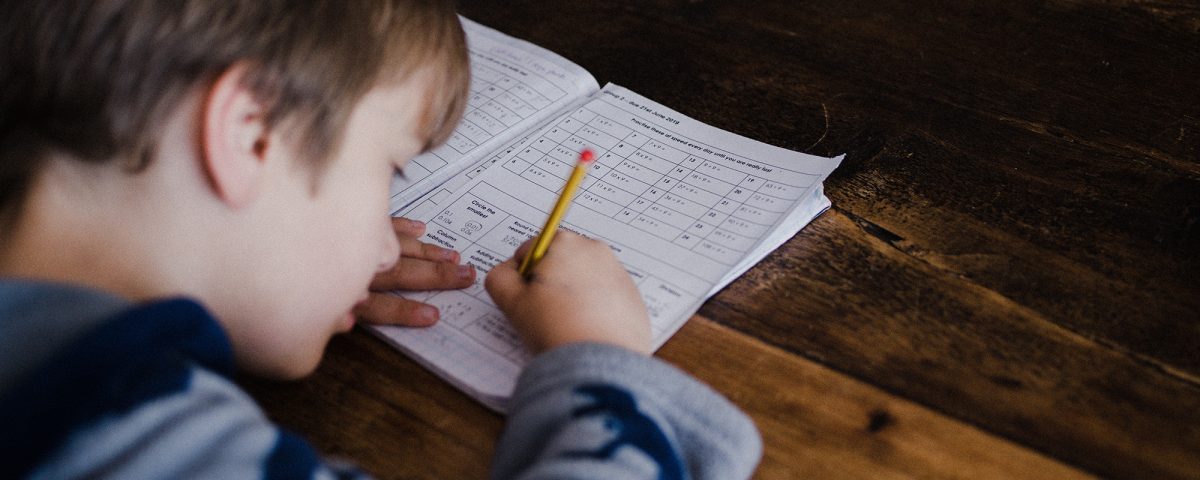
This mornings class was super! All students were on track – listening attentively and had organised their space rapidly.
What is the meaning of this? Peace, harmony and tranquillity – in the classroom? One could not help but compare this to the same class as last week. My support teacher joined me – literacy was her specialism.
The morning continued in the same way, while English was being taught – verb agreement in sentences – if you ever! Clearly, NOT an interesting matter in English – there lies the mystery! While observing the class I noticed a not so perfect reception was that of Robbie sat usually alone at the table in the book corner. Robbie was a red-haired boy, quite small in build and exuded a quiet persona – he was our child with Special Needs – that of Dysgraphia. A super-intelligent chap who often verbally expressed himself like an equivalent childlike Einstein.
The problem with Dysgraphia is that Robbie was unable to write all this down effectively. What evidence could be saved of a super mind like that – one thought.
The problem with Dysgraphia is that Robbie often found it difficult to co-ordinate his movements and thus found it difficult to hold his pen to write or draw, he was often not very coordinated when moving around
The problem with Dysgraphia is that Robbie found it challenging to understand what he wrote on paper and so often failed to write is evidential thoughts.
As one is a Special Needs teacher with a Literacy specialist by my sideways were found to help Robbie to express some of those amazing insights he spoke about so enthusiastically. Some of the ways he was supported were to provide modifications. No amount of encouragement would persuade Robbie to write anything! His initial assessment was by our specialist literacy teachers who analysed his handwriting when the special occasion arose! So, one’s best approach was to make various necessary modifications to his learning experience.
Patience with Robbie was just the beginning, a great colourful pencil grip from our fabulous literacy tutors, the use of the keyboard and computer, oral exams, scribing if necessary, additional time, wide lined writing paper, visual aids, and small steps. Robbie with his sense of humour was happy to try all modifications and so the undisturbed class continued.
Dysgraphia is a less common learning disorder and often a challenging one. Teaching a student with Dysgraphia can seem like a journey of struggle for them but a blessing to see the child succeed so well in the end!
Happy Studies – by Anita Lennox